

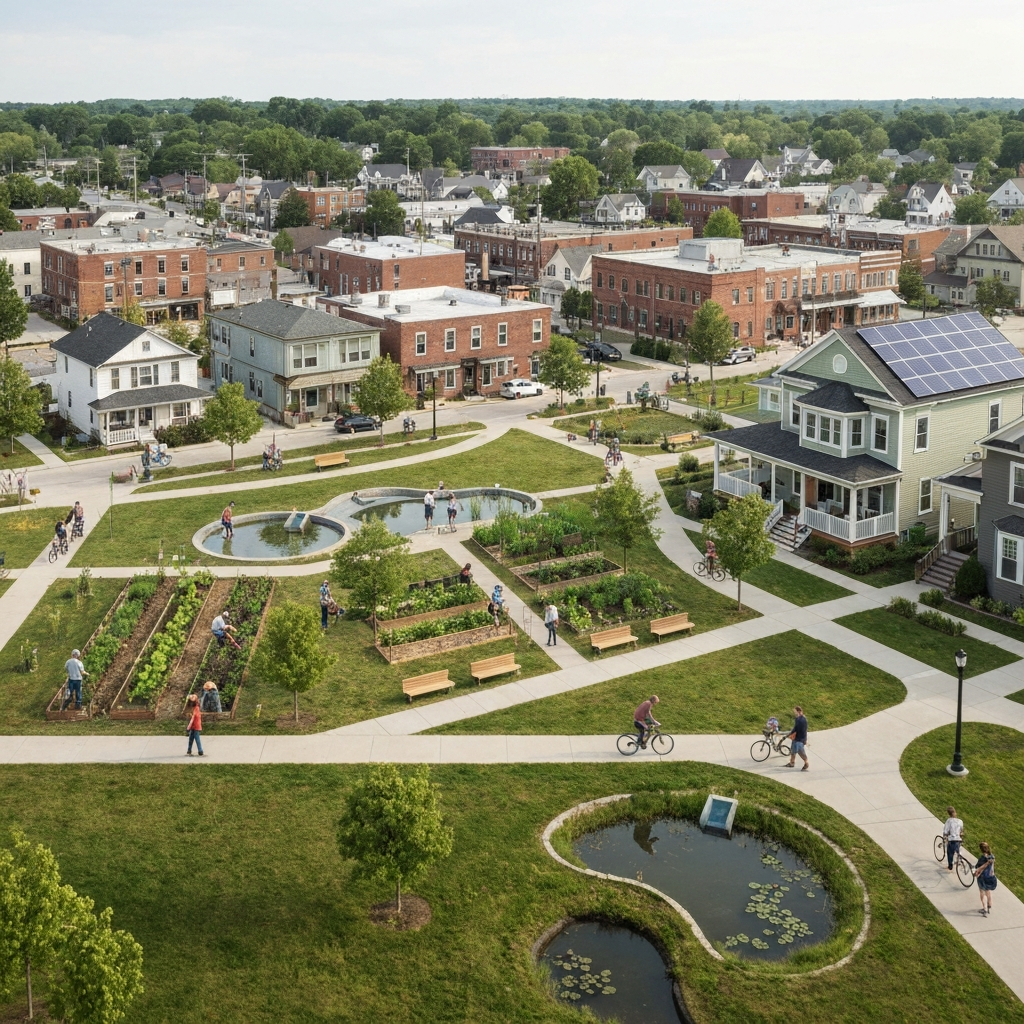
In an increasingly interconnected world, small towns like New Castle, Colorado, are experiencing the ripple effects of global economic shifts and climate change. Understanding these influences is crucial for developing strategies that bolster community resilience.
Economic Shifts and Their Local Impact
Global economic trends, such as fluctuations in agricultural markets and the relocation of manufacturing, directly affect small-town economies. For instance, rural communities dependent on agriculture face challenges when commodity prices decline. Diversifying local economies by investing in sectors like healthcare and small-scale manufacturing can mitigate these impacts. Some towns have attracted industries seeking to reshore manufacturing, providing new employment opportunities and revitalizing local economies.
Climate Change and Environmental Challenges
Climate change presents another significant challenge. Increased frequency of extreme weather events, such as droughts and floods, can disrupt local agriculture and infrastructure. Implementing sustainable practices, like green infrastructure and renewable energy projects, can enhance resilience. For example, some towns have adopted low-impact development practices to manage stormwater and preserve natural landscapes, reducing vulnerability to climate-related hazards.
Strategies for Building Resilience
To navigate these global challenges, small towns can adopt several strategies:
- Economic Diversification: Encouraging the growth of local enterprises beyond traditional industries can create a more robust economy. Supporting small businesses, promoting tourism, and investing in technology sectors are viable options.
- Infrastructure Investment: Upgrading infrastructure to withstand environmental challenges and support new industries is essential. This includes improving transportation networks, expanding broadband access, and enhancing public facilities.
- Community Engagement: Involving residents in planning and decision-making fosters a sense of ownership and ensures that initiatives align with local needs and values.
By proactively addressing these global influences, small towns can not only survive but thrive, preserving their unique character while embracing new opportunities for growth and sustainability.